When intelligence
becomes ubiquitous
Agentic AI in research and beyond
I don't know your challenges
- I am a theorist
- My goal: inspiration -> identify applications yourself
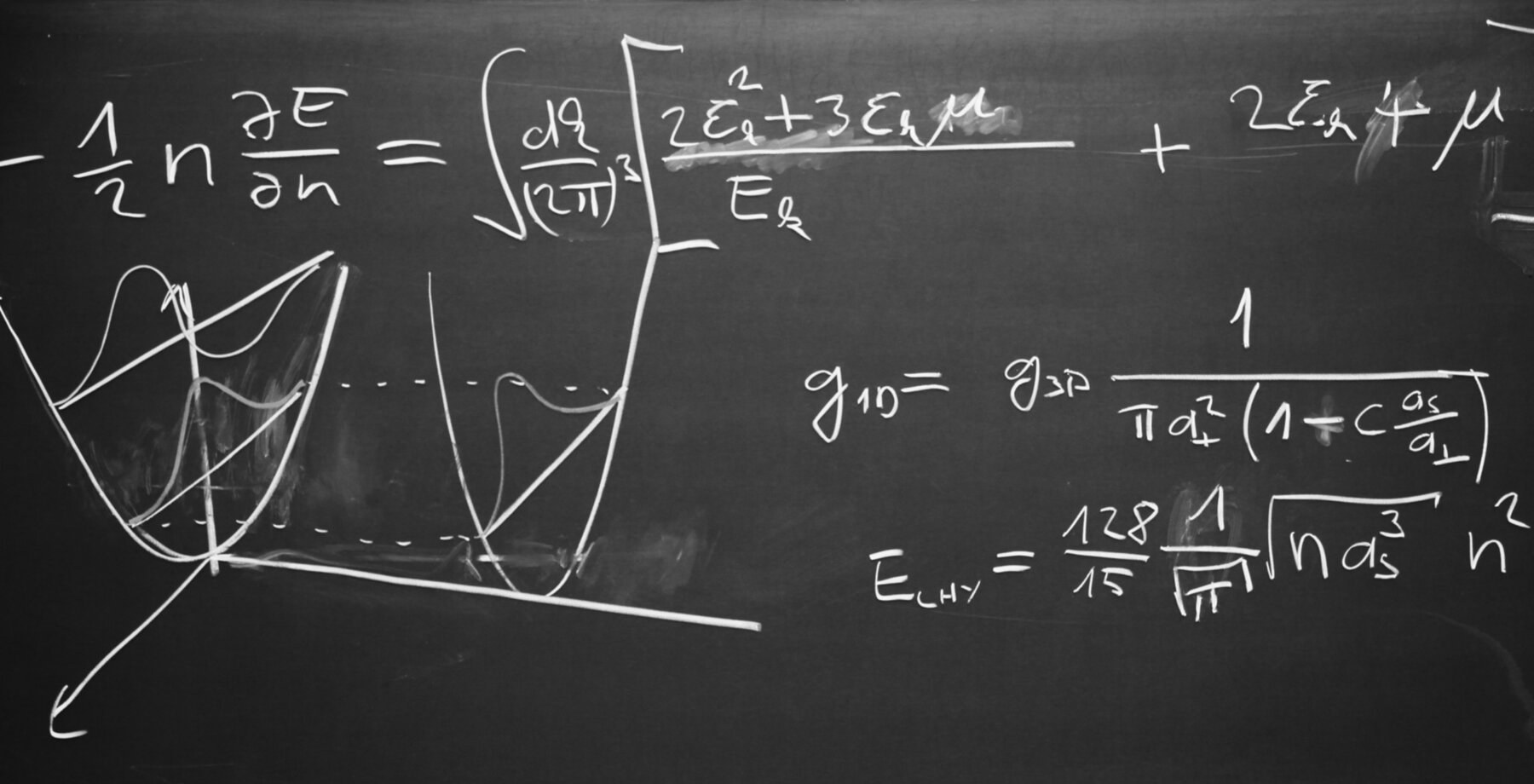
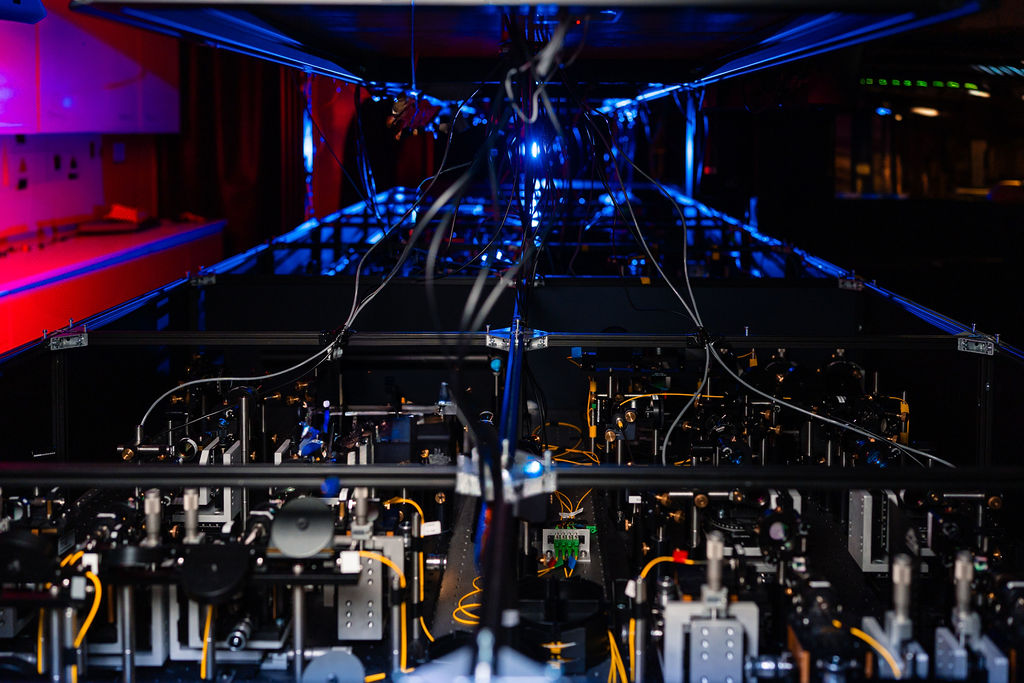
Photos: ITP3 website; Barz group website (University of Stuttgart)
This talk: I tell you what we are doing
Afterwards: you think about what you could do
Why you should care
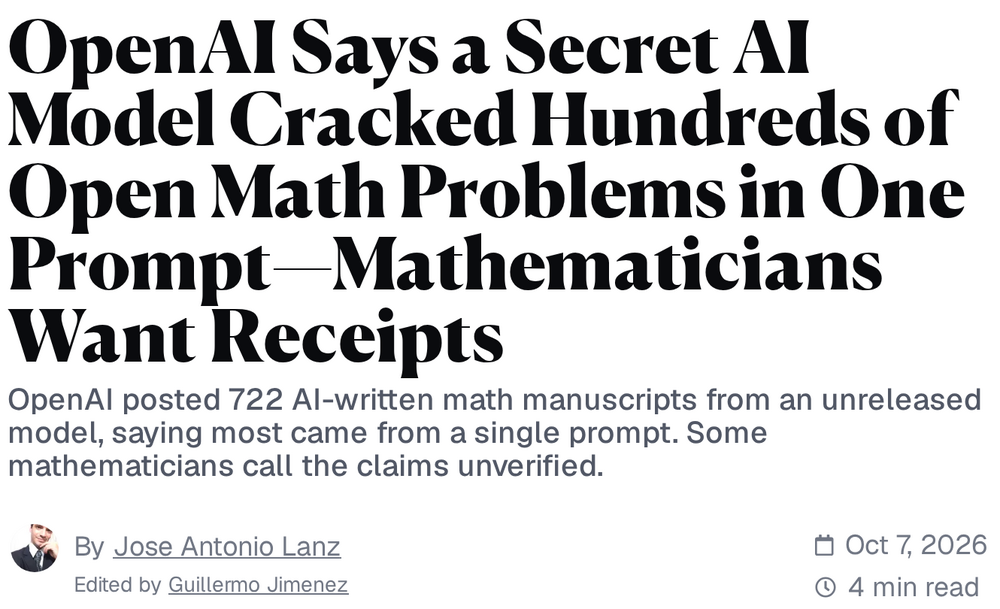
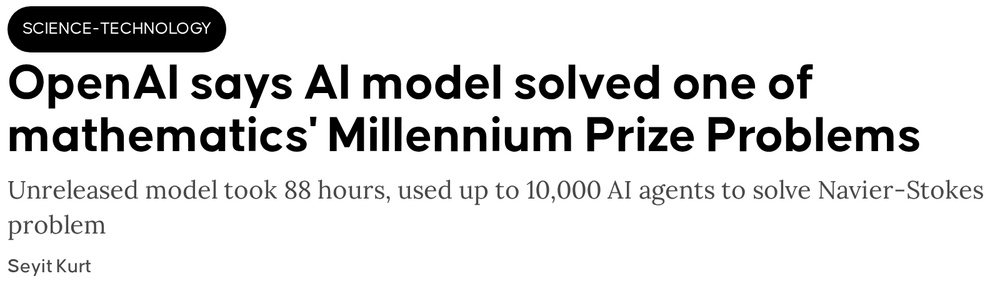
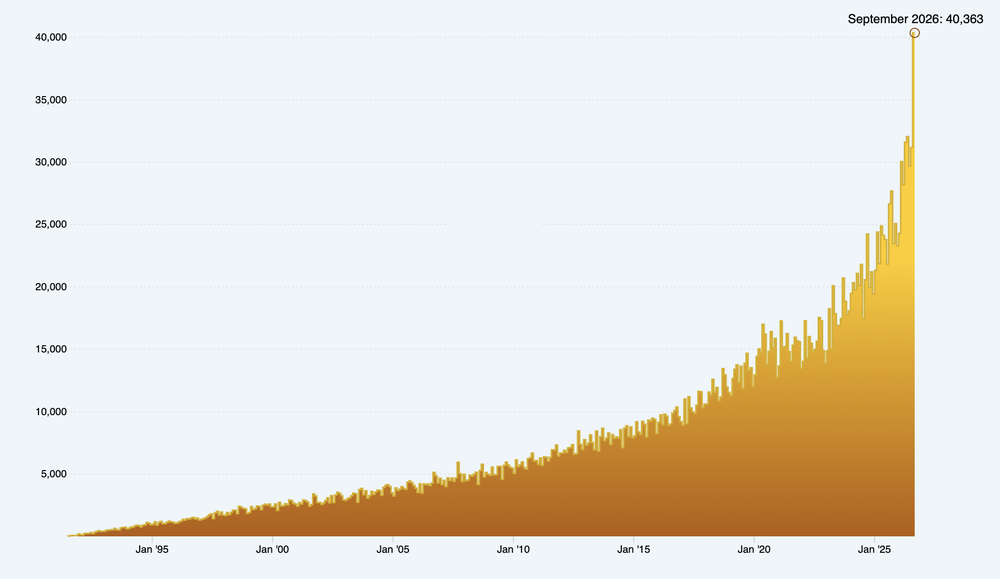
Physicists: keep track!
Outline
Agentic AI
Introduction and general comments
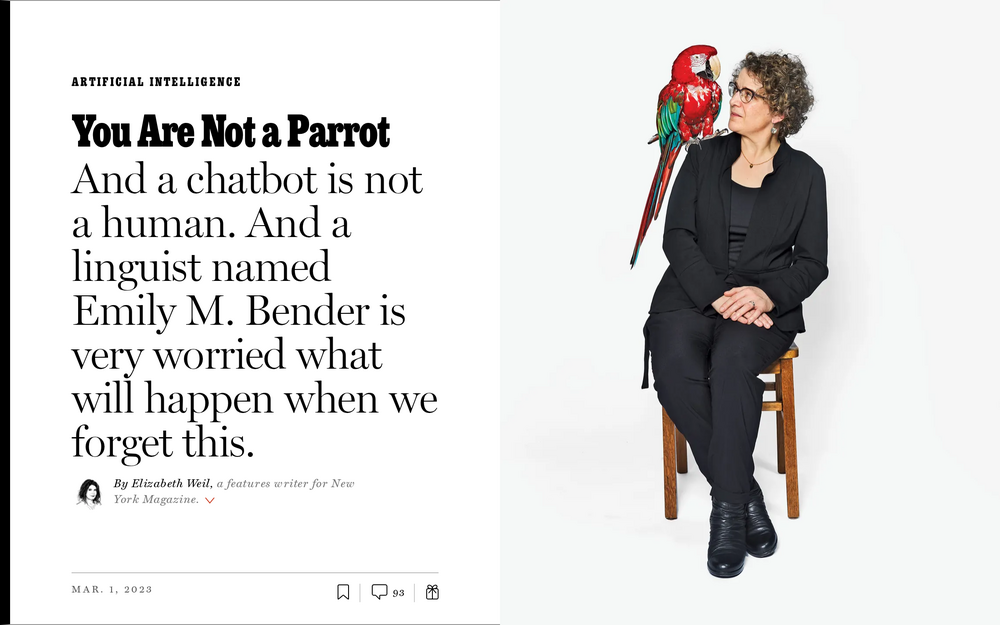
“Just” predicting the next word
- Modern AI: Large Language Models (LLM), transformer architecture
- Objections: “just probabilities”, “memorises and regurgitates”
- → Stochastic Parrot
E. M. Bender, T. Gebru, A. McMillan-Major, S. Shmitchell, On the dangers of stochastic parrots: Can language models be too big?, FAccT '21, 610 (2021)
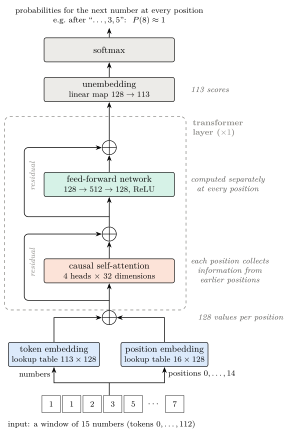
A toy world: Fibonacci mod 113
Goal: learn the (periodic) Fibonacci sequence:
- 113 tokens: 0 … 112
- Period 76 → 168 sequences
- Training set: some sequences
- Test set: the rest, never seen
- Model: 228 k parameters (1 layer)
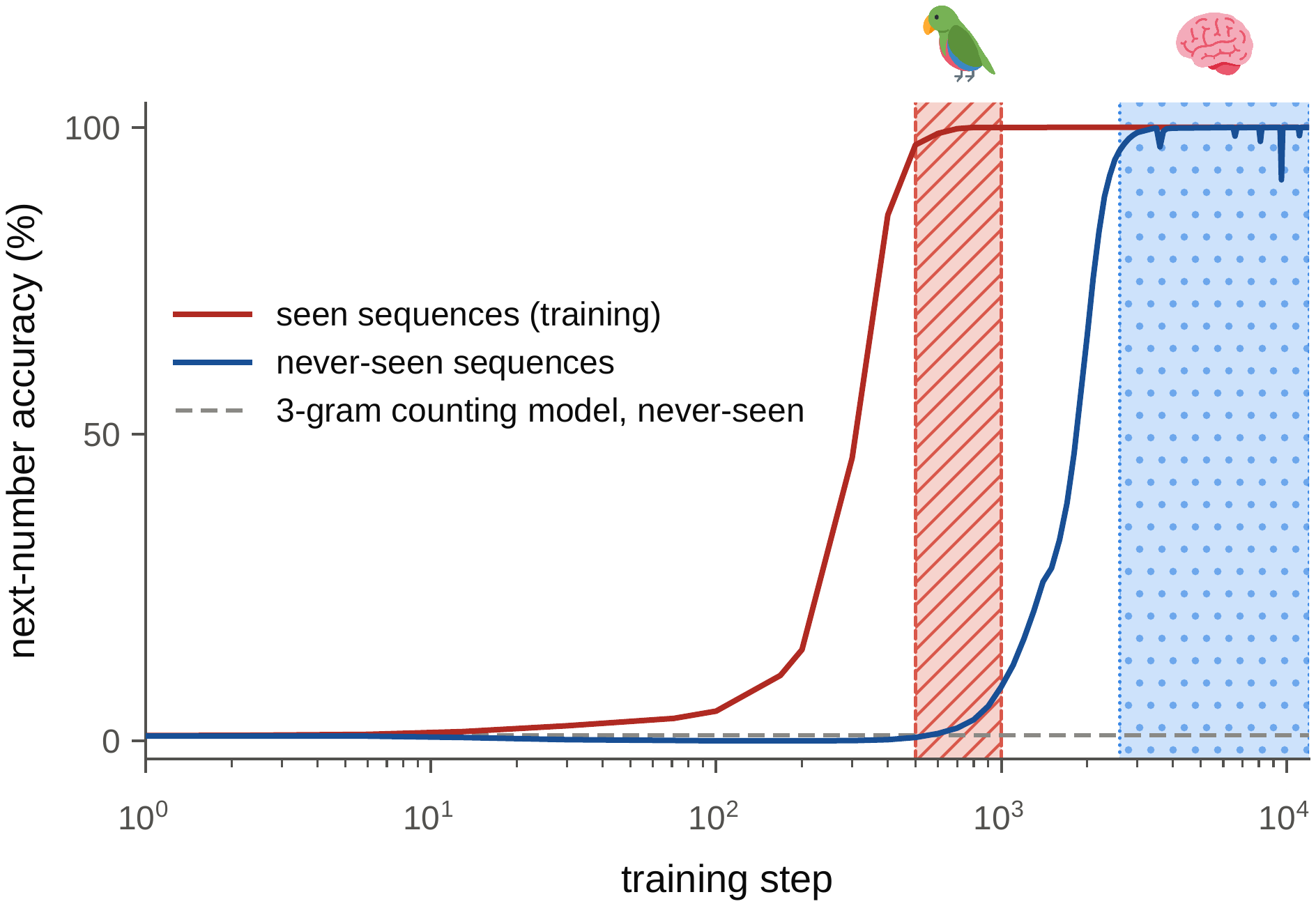
“Phase transition”:
parrot phase → understanding phase (“Grokking”
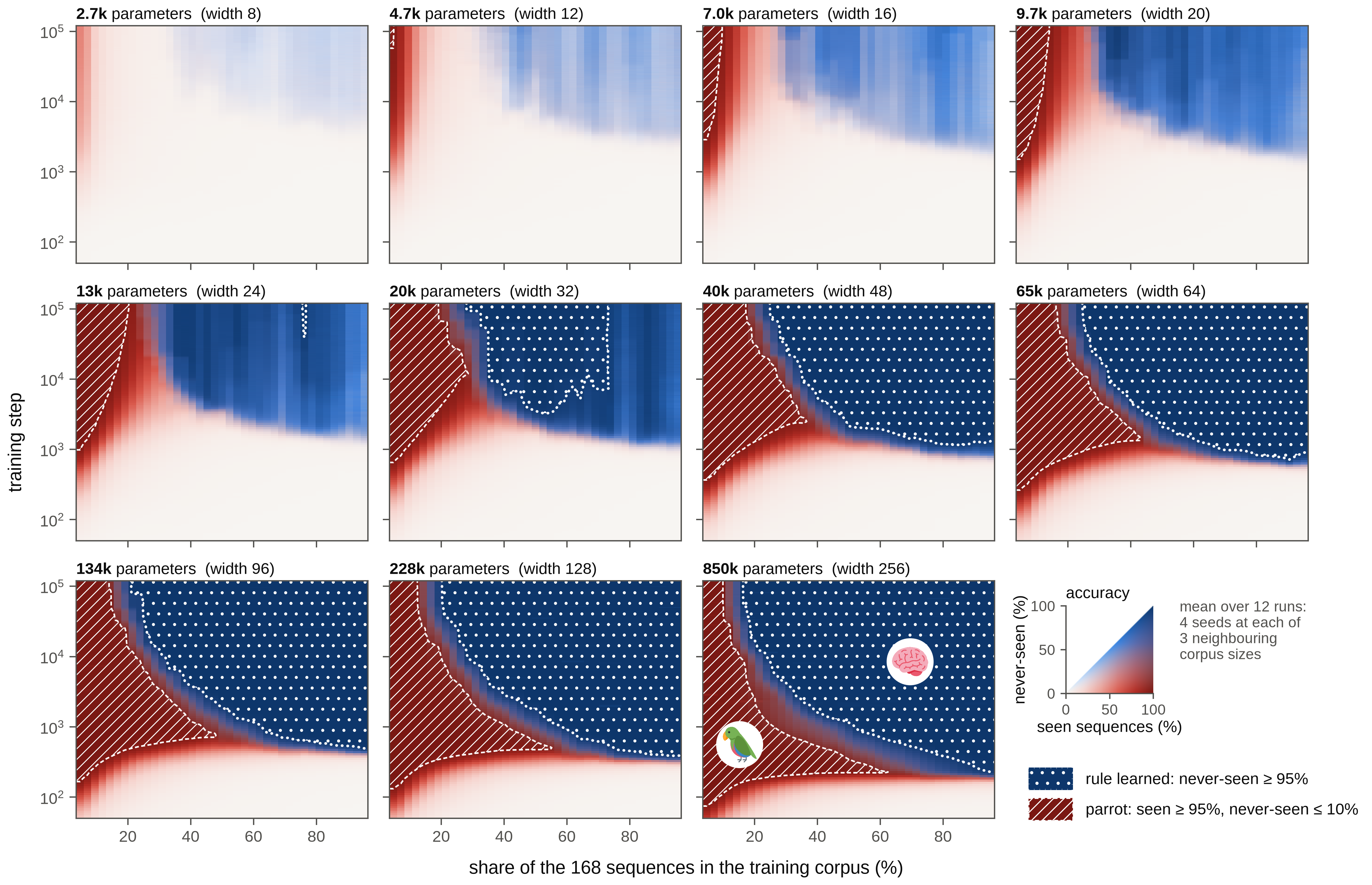
Parrot or brain?
Three knobs of LLM training:
- Parameters: model size
- Data: training set size
- Compute: training time
Each panel: one model size
→ axis: data, ↑ axis: time
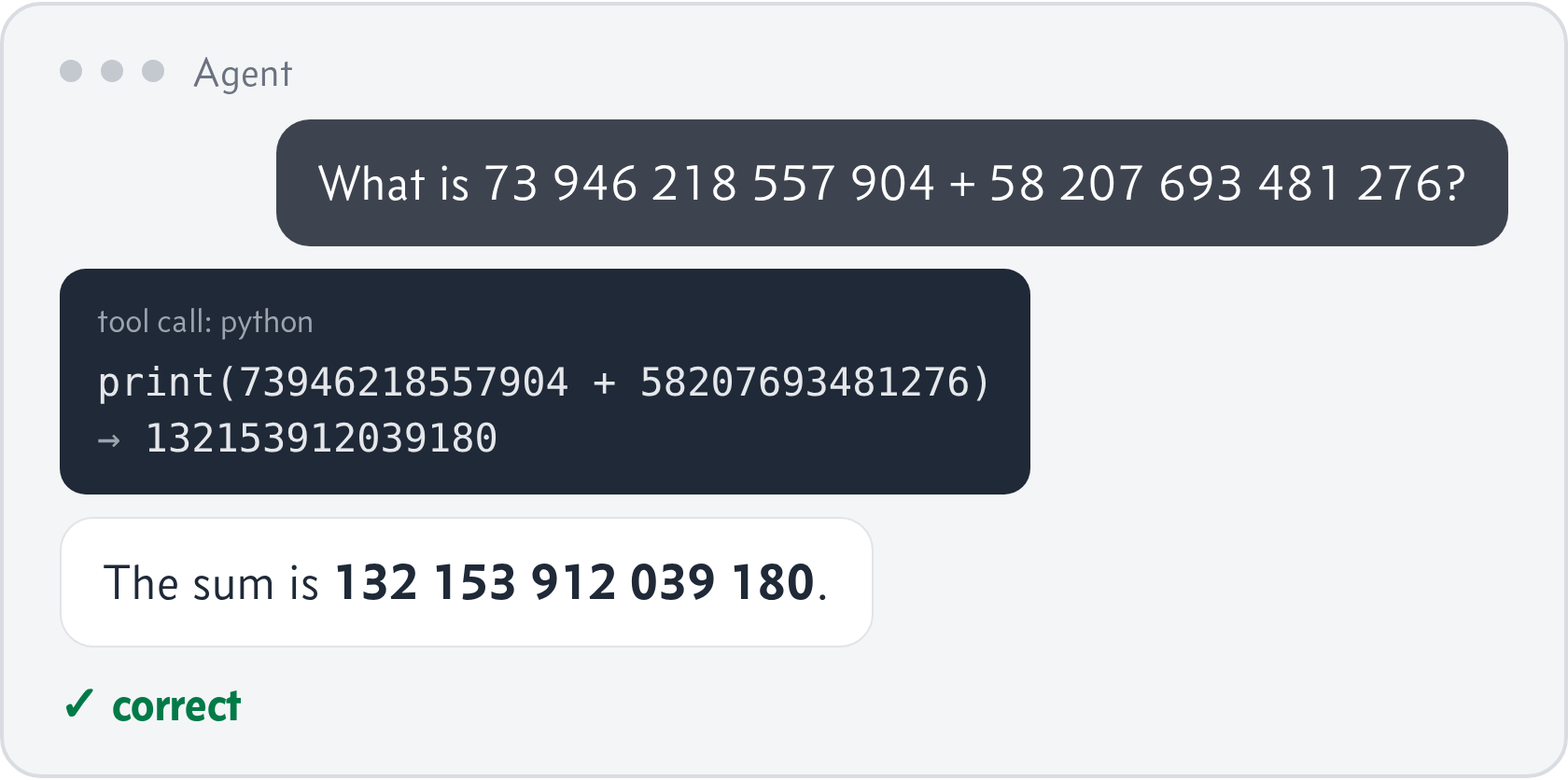
Chatbot vs. agent
- Chatbot : text in → text out
- Agent = LLM + Tools + Harness
bash · python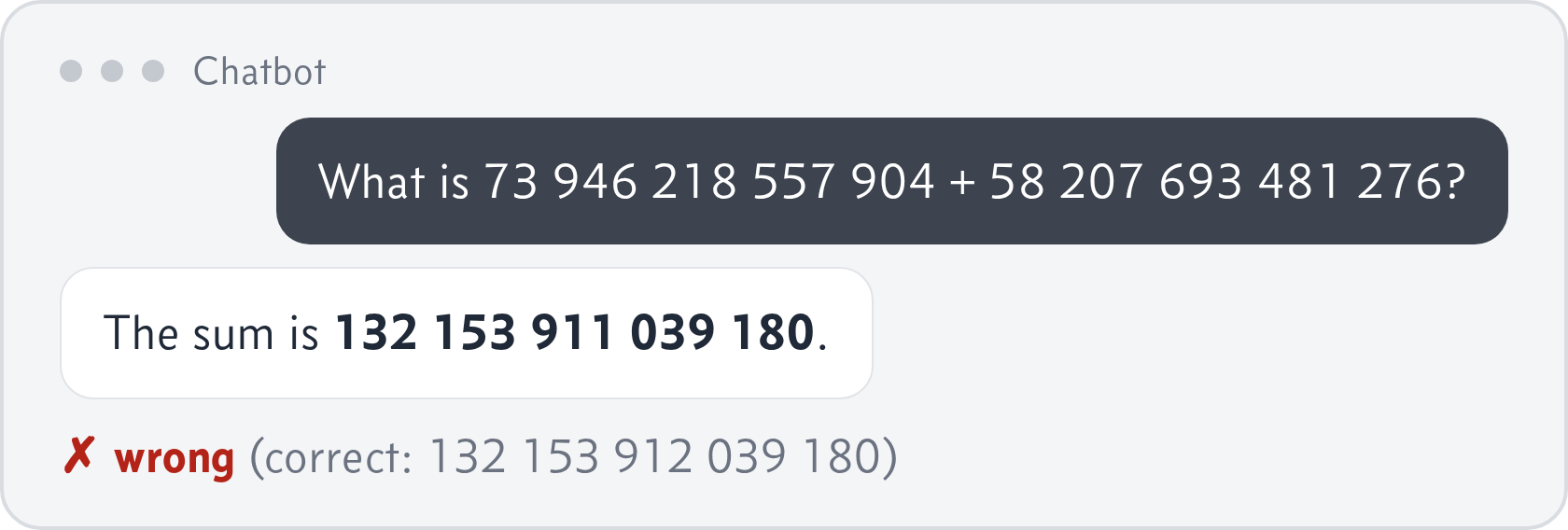
There are two capabilities that made Homo sapiens conquer the world:
the ability to use tools, and the mastering of language. We equipped computers with both.
State of play
Intelligence: who is at the top?
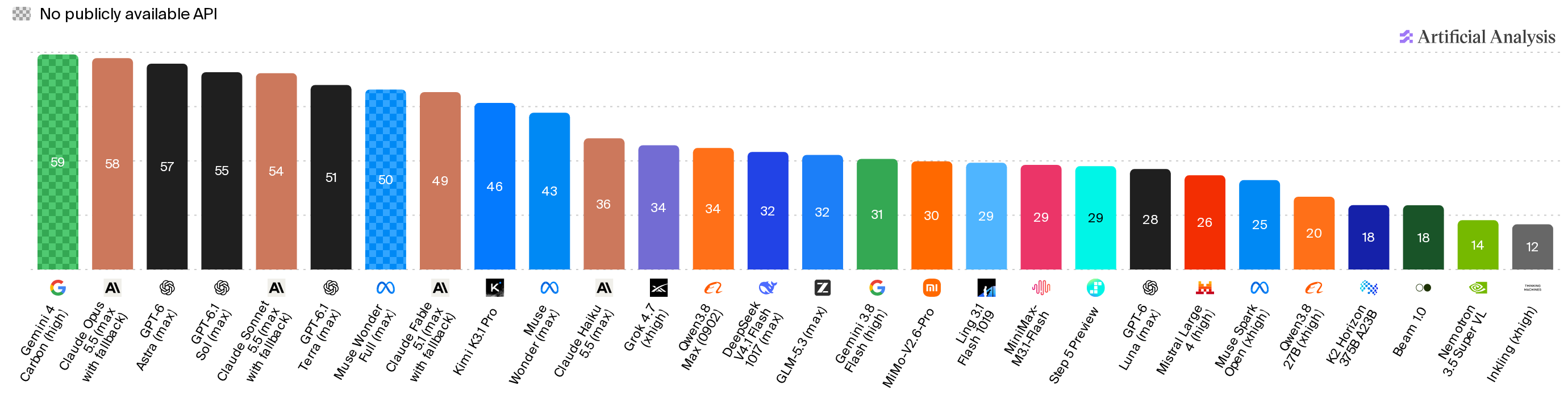
Frontier crowded and competitive: 5 labs within 10 points
Price at fixed intelligence
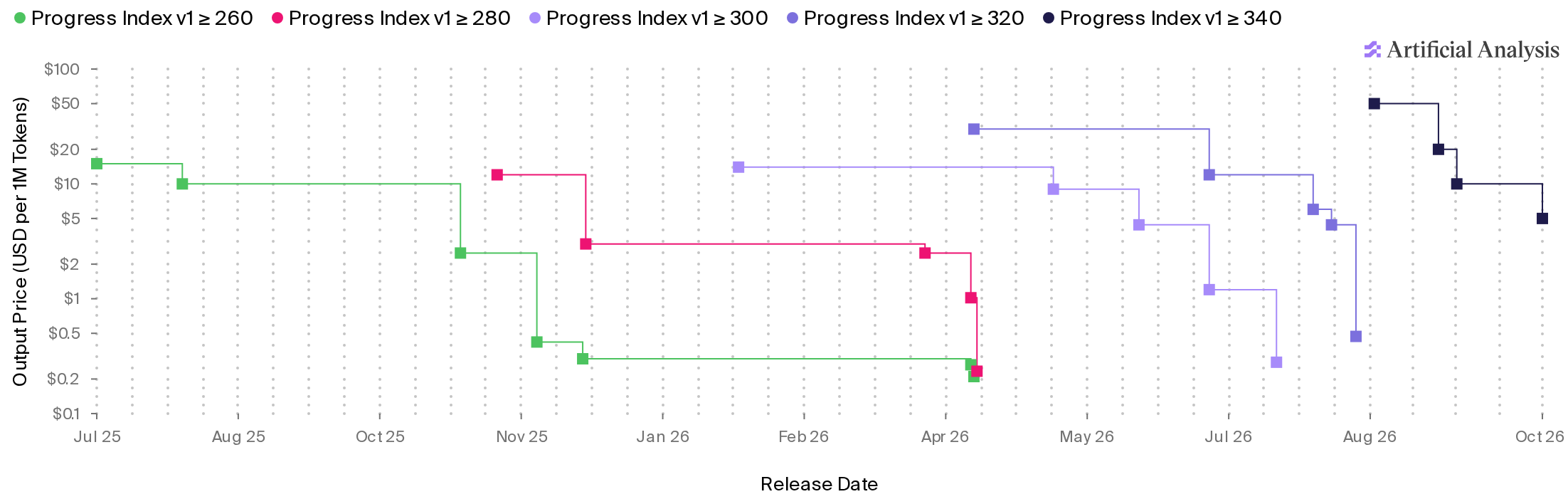
Price per intelligence drops exponentially: ÷ 50 within ≈ 6 months
Open weights, hardest tasks: a big gap
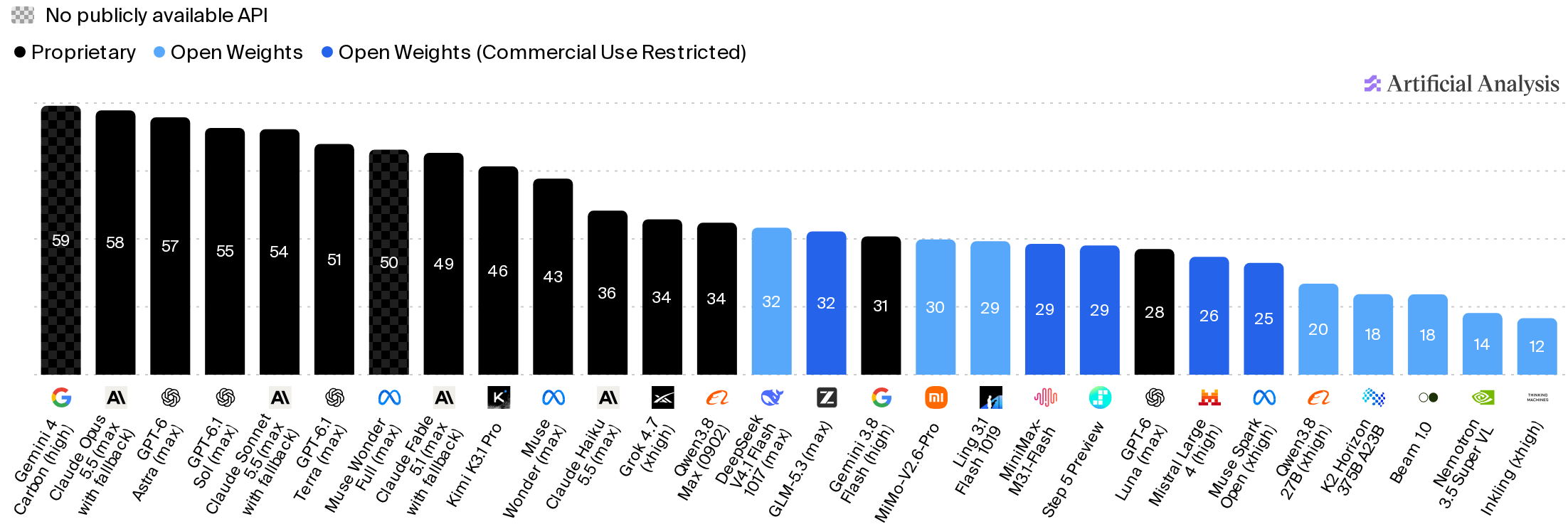
Index v5: only the hardest tasks → gap overstated for everyday work
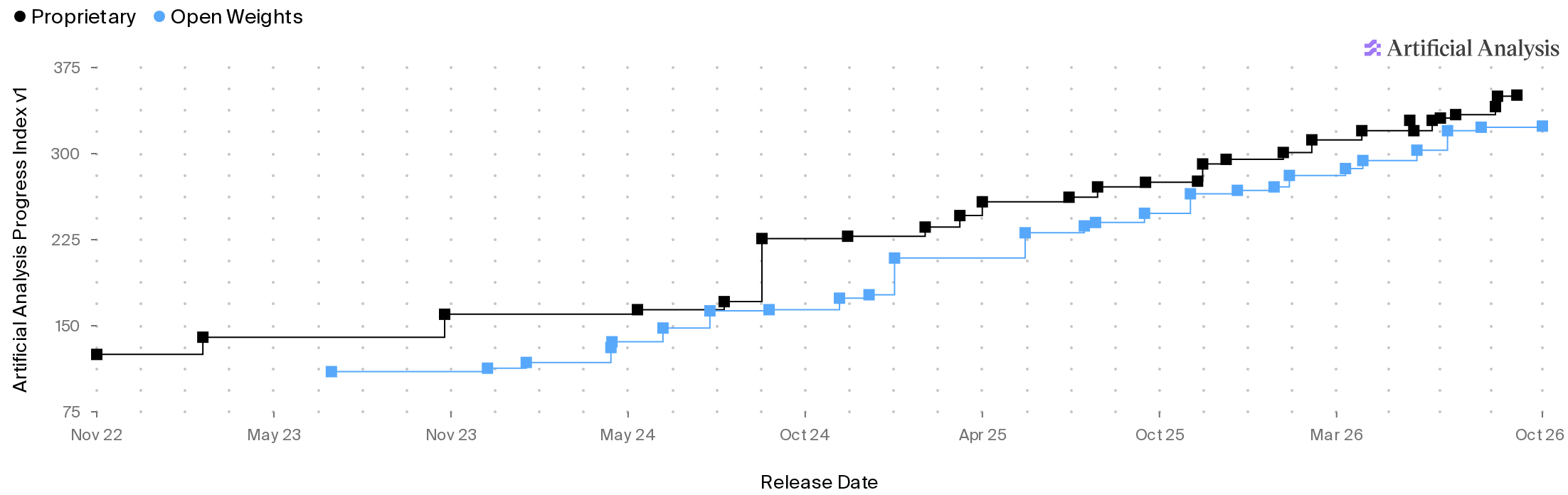
Open weights, all tasks: a few months behindArtificial Analysis, Open Weights vs. Proprietary: Artificial Analysis Progress Index v1, Over Time, artificialanalysis.ai/trends (31 Oct 2026)
Problems and possible solutions
Data protection
Cloud only: personal data, patents, industrial espionage
On-premise models
Dependence
Few US companies: uncontrollable cost, no sovereignty
Own compute, open weights,
model-agnostic workflows
Energy and cost
Cheaper intelligence → far more use (Jevons paradox)
Efficient, smaller models
Security
Agents err, can be hijacked (prompt injection)
Sandbox + trusted models
Trust
Best open weights from China: hidden behaviour?
European models
Reliability
Confident errors, made-up references; who is responsible?
Verify everything; humans sign
Deep understanding
Nobody reads the code, nobody learns to code
?
Flood of output
Paper and review spam: arXiv rate limits
Quality over quantity?
Universities
Agents ≈ very good PhD students / postdocs
Rethink training, careers, science?
Applications
What we tried at ITP3
How we run agents safely
- Risk: agents run commands as you:
delete, install, upload - But: useful only with fast feedback
→ no permission prompts: YOLO mode - Our solution: secdev
N. Lang, secdev: run coding agents unsupervised, in isolated containers, web.itp3.uni-stuttgart.de/ai/secdev (2026) (a sandbox)Securityyour files are not in the boxData protectionthe agent sees one projectNo frictionfull toolchain inside
SSH keys
passwords
internal docs
grades
personnel data
unpublished data
Python · Julia · C++
Git · compilers
headless browsers
OCR · ImageMagick · …
Fields of application
- Four fields: teaching, research, IT, administration
- The data decides the model:
research, teaching, web
servers (Wingman), paperwork (Office)
everything that follows is experimental and changes constantly
Teaching: reviewing theses
- Skill: editorial comments on theses and papers
N. Lang, secdev example: an editorial pass over a thesis chapter, web.itp3.uni-stuttgart.de/ai/secdev/examples (2026) - Our rule: agents do not write the text (above all for students!)
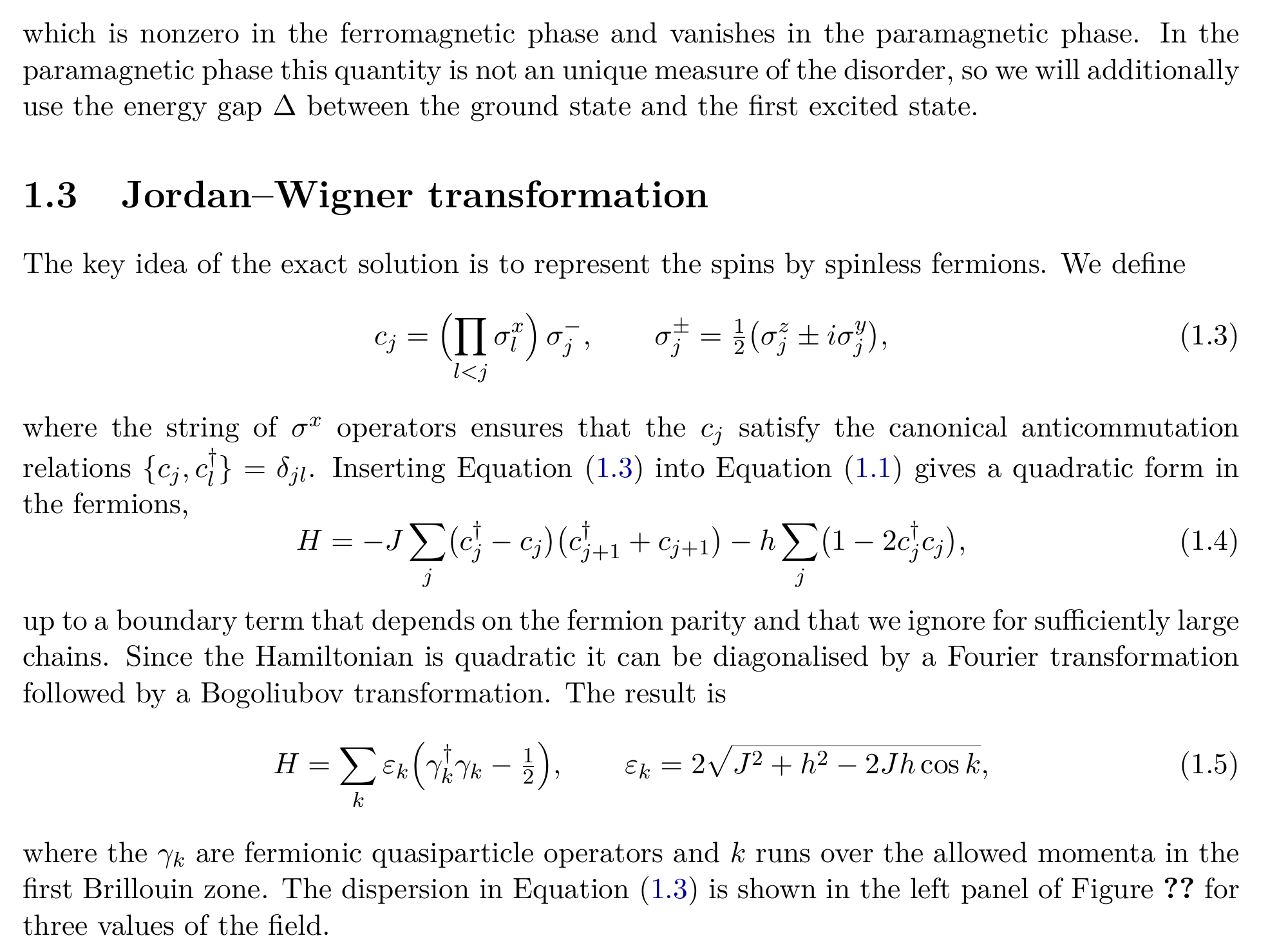
> cd ~/thesis/> secdev tex> claudedpass over chapter.tex.
British English.”
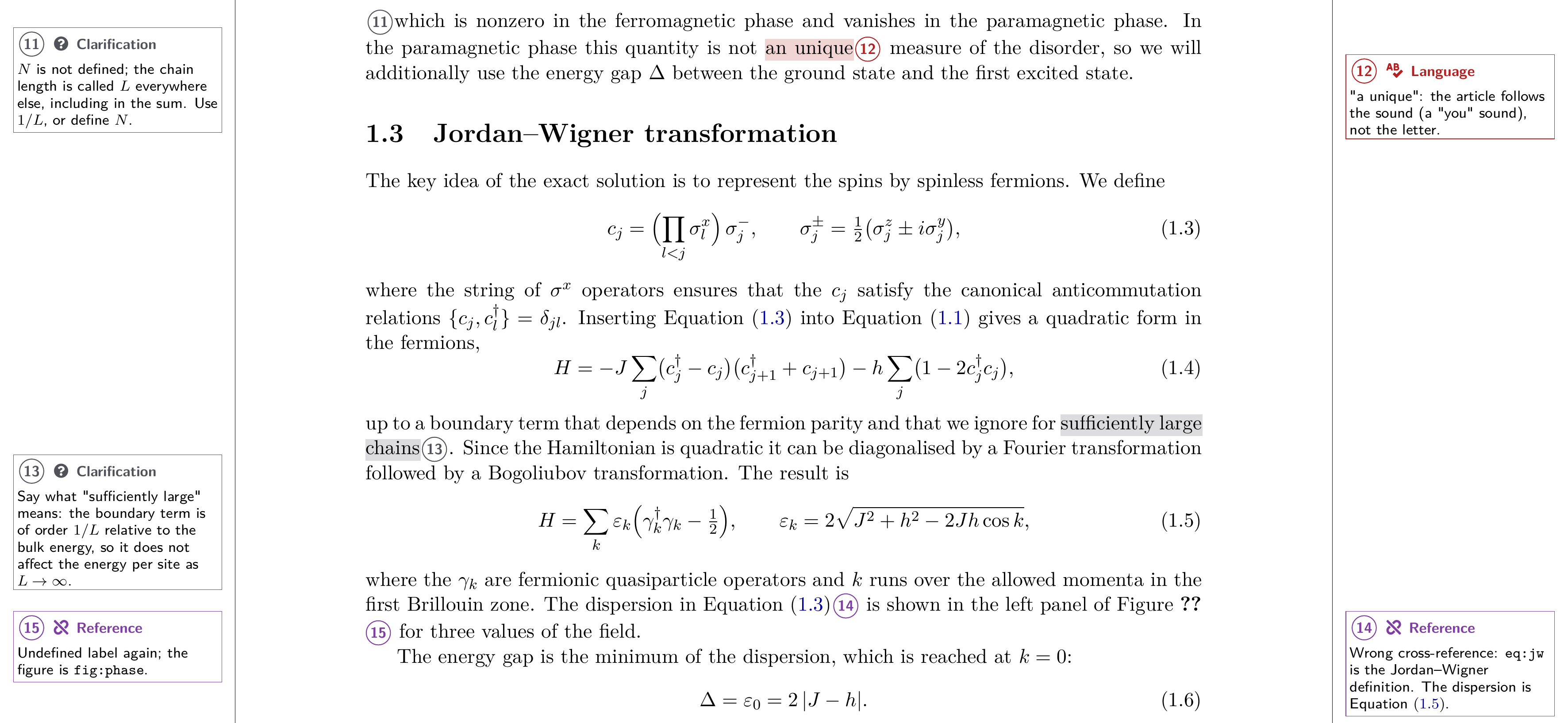
I get polished theses and can focus on the content
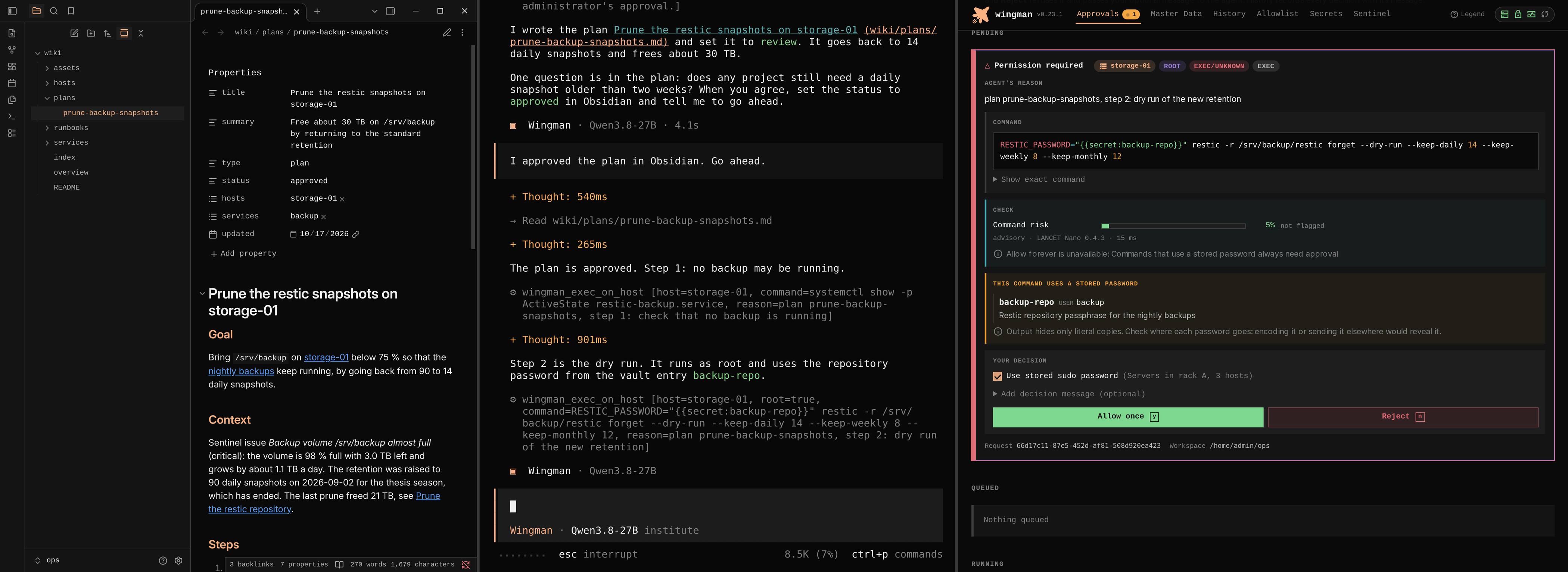
IT: Wingman
- Purpose: an agent administers our Linux servers, you approve every command
N. Lang, Wingman: administer Linux hosts through human-approved requests, web.itp3.uni-stuttgart.de/ai/wingman (2026) - Data protection → local model only:
Qwen3.8-27B @ 2 × A100 40 GB
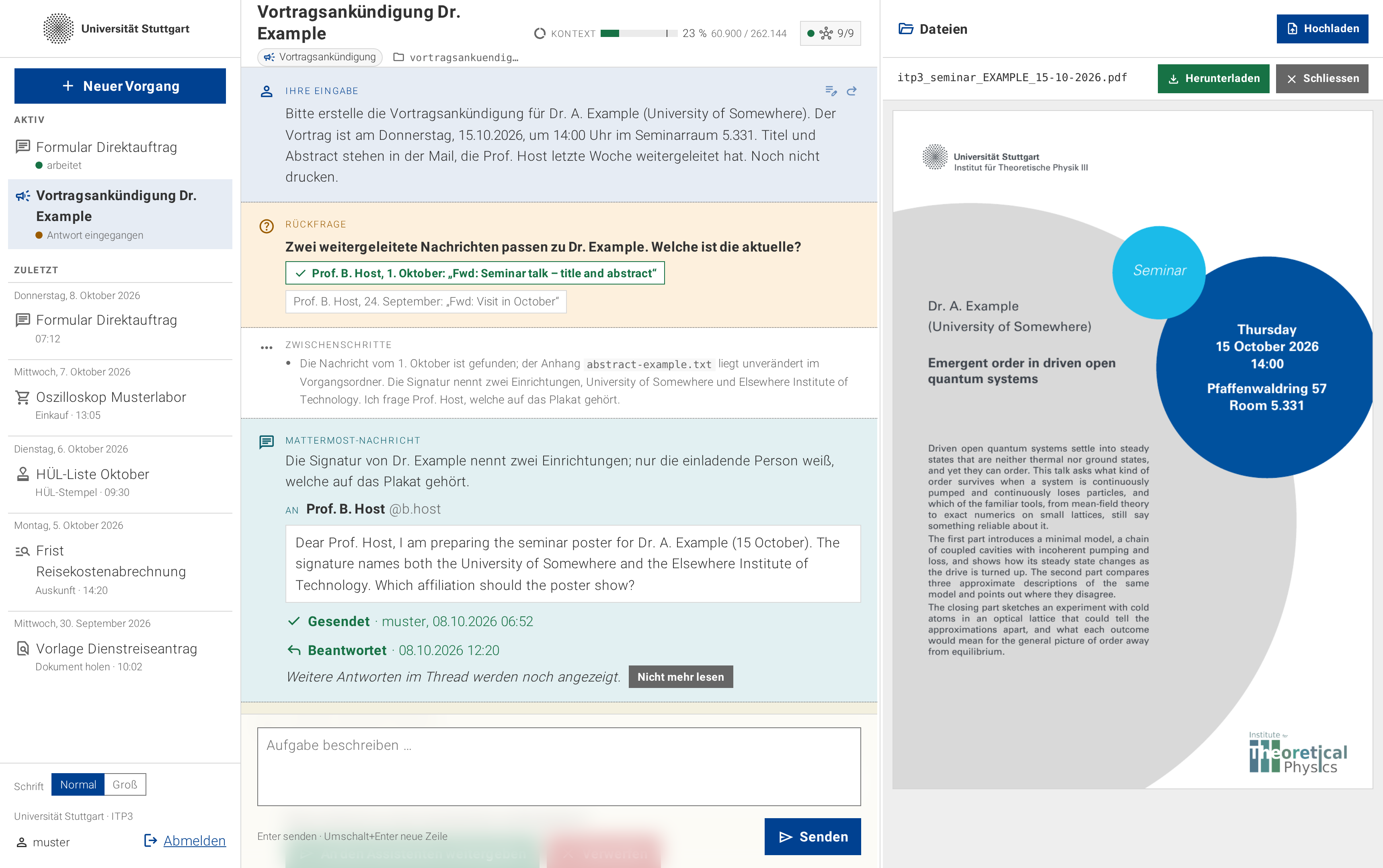
Administration: Office Agent
- Purpose: speed up repetitive
administrative workN. Lang, Office: an agentic assistant for the institute's administrative staff, web.itp3.uni-stuttgart.de/ai/office (2026)
forms · mail · quotations · posters - Strict data protection
→ local model only:Qwen3.8-27B (FP8) - HITL: human in the loop
Research: the Einstein container
Maxima · Octave
Lean 4 (formal proofs)
C++ · LAPACK · LaTeX
research-* helpersscaffold init guided-wiki
AGENTS.mdentry pointSECDEV.mdcontainer manifest
Generated at every container start: description of the container setup and the available tools and resources
§B2 Isolation
- Filesystem access is limited to the current working directory.
- Other host paths are not visible.
§R3 Python · §R4 Numerics
- Available scientific stack:
numpy,scipy,sympy,pandas,numba,matplotlib[…] - Computer algebra:
maxima - Compilation and scientific libraries:
gfortran, OpenBLAS, LAPACK, GSL, FFTW […]
§E4 GPU Resource
- Hardware: 4 x H100 GPU accelerators.
- SHOULD submit non-trivial GPU simulations through Slurm instead of running them directly via
gpu_exec.
§E6.3 Slurm Wait Recipe
JOB=$(slurm_exec sbatch --parsable run.sbatch)slurm_wait $JOB --poll 1800- Continue other useful work while waiting.
CONTRACT.mdrules of work
The rules that make the agent into a researcher
§C1.1 PLAN.md
- Human-owned project contract.
- MUST NOT modify.
- If edits are requested, tell the human to run
chmod +w PLAN.md.
§C7 Integrity
- MUST NOT change metrics, test sets, problem definitions […] to make results look better.
- MUST NOT cherry-pick seeds.
- MUST verify every bibliography entry against the actual source; papers enter only through
research-lit add. - If the paper cannot be found, do not guess.
§C10.1 Record everything
- MUST log every experiment with goal, method, outcome, and next step.
- MUST include failures.
- If it is not in
LOG.md, it did not happen.
§C10.3 Wiki and paper roles
wiki/is the agent-human interface.- In
paper/, agents MUST NOT write fully formulated prose paragraphs.
PLAN.mdhuman, read-onlyTASKS.mdproposalsPROBLEMS.mdopen problemsLOG.mdlab bookcode/simulationsdata/runswiki/findingsmemory/notespaper/humansame queue as everyone
GPU: 4 × H100
 Mathematica host64 cores · 1.5 TB RAM
~/remoteone folder per project
 Giteacollaboration · backup hub
other universities
communication
A typical workflow
PLAN.mdgoal · tasks · human onlyTASKS.mdnew task proposalsPROBLEMS.mdopen conceptual problemswiki/findings · plots · Obsidianpaper/manuscript · human textand make a plan
analytically
code
the cluster
results
and plot
without asking
LOG.mdlab bookmemory/working notescode/ data/runs, outputsliterature/papers by DOIThe agent plays the role of a PhD student or postdoc
Research projects
Numerics: a topological phase transition
Goal: numerical study of a topological phase transition
in a strongly interacting 2D quantum many-body system (iDMRG)
hours
at peak
by humans
Agents
- model code
- every cluster job
- perturbation theory to 12th order
- new method from a paper
- every figure
Physicists
- question and plan
- decisions at every turn
- independent checks
- every paragraph
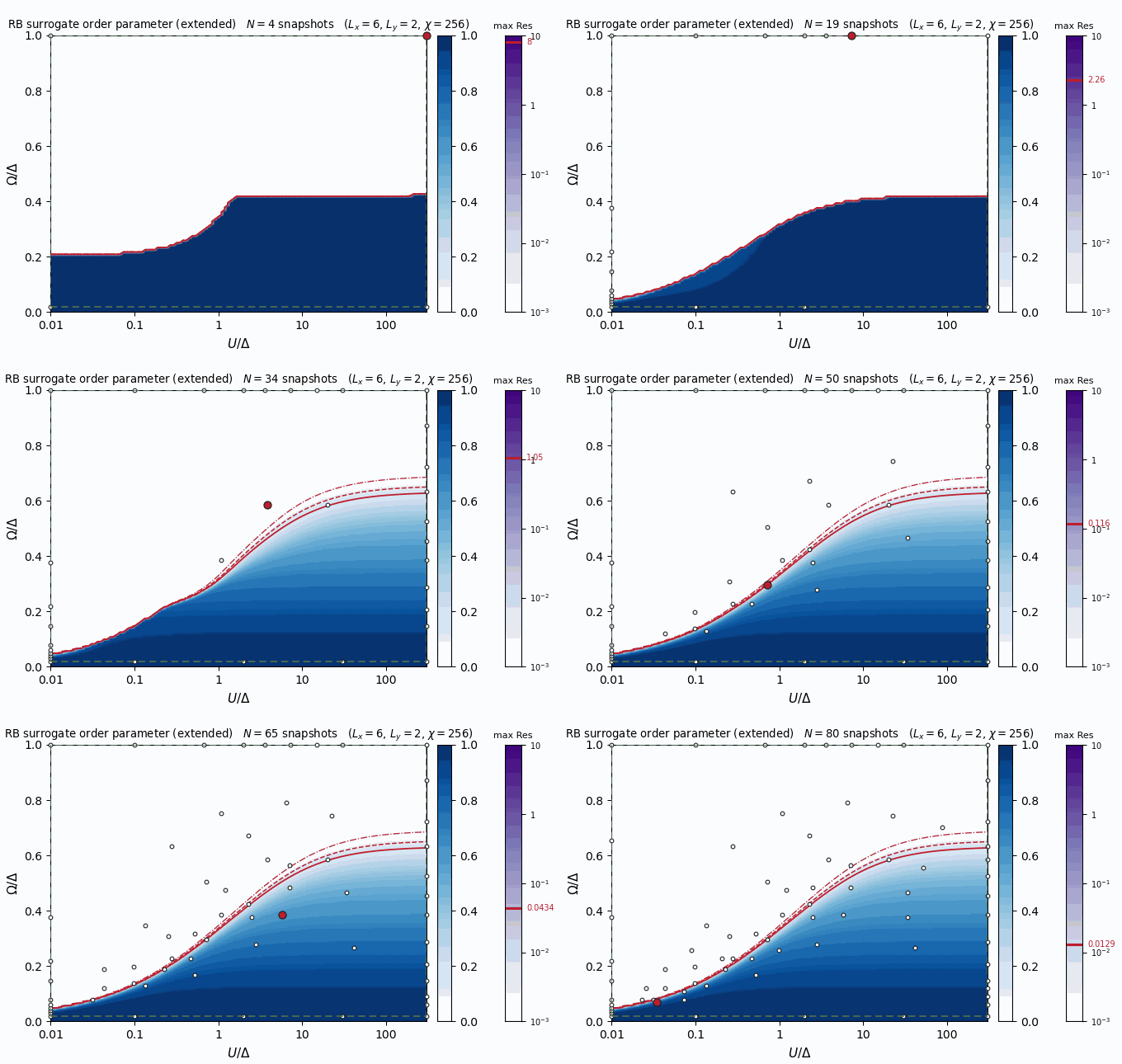
The agents did the work of a PhD student

Our Note on AI usage
Supervised AI agents performed all analytical calculations, implemented and conducted all numerical simulations, and created all figures in this manuscript. The following LLMs have been used: Claude Fable (version 5.0 and 5.1) and Claude Opus (version 4.8) by Anthropic. The authors tested and verified all results independently, reviewed the code, performed consistency checks, and therefore take full responsibility for the content of this manuscript. The text of the manuscript was written by the authors and only proofread by the AI agent.
Acknowledgments of arXiv:2610.03186, verbatim
Mathematics: a gap proof, machine-checked
Goal: machine-checked proof in Lean of a theorem on the gap
of a topological 2D quantum many-body system
of Lean
(> 10 000 €)
Agents
- Lean code and docs
- stability theorem formalized
- blind audits of the statement
Physicists
- the proofs on paper
- 16 approved plans
- review of every result
Challenge.leanwhat a referee reads: 984 linestheorem direct_samePhase (F : RegPlacedFamily) … :
∃ (B : ℕ → BlockadeGraph) …,
∃ Ω₀ > 0, ∀ Ω ∈ Set.Ioo 0 Ω₀,
IsGappedLocal … ((B n).ham Ω) ∧
∀ Enc, SamePhase ⟨…⟩ ⟨…, (B n).ham Ω⟩ := …
Without agents: a formal proof of this size would be out of reach
A toy “experiment”
Timelapse videos of the construction site
An “experiment” for an agent: raw data → theory → verification → paper
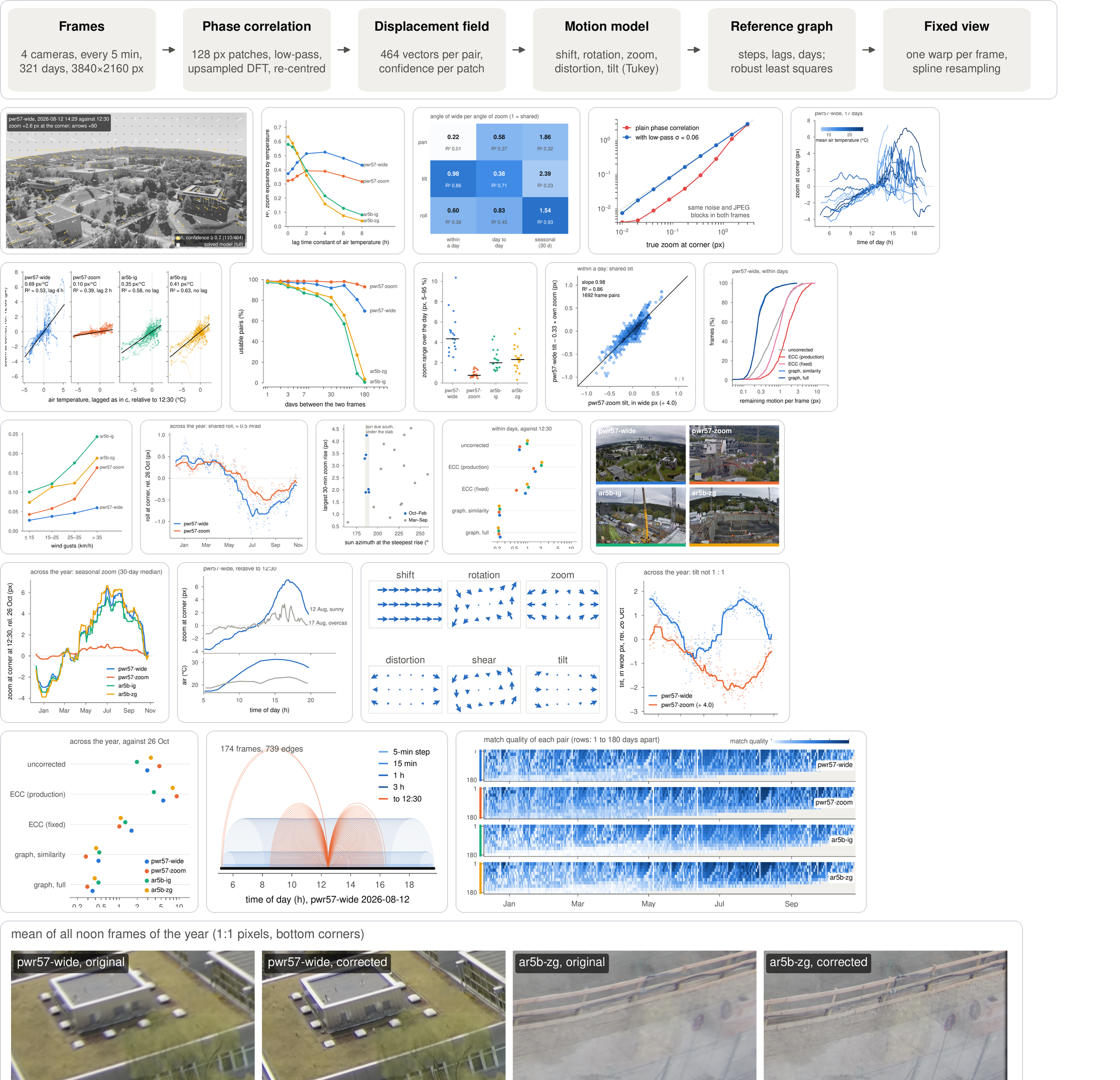
- Setup: 4 webcams, a 4K frame every 5 min
- Goal: timelapse of the construction
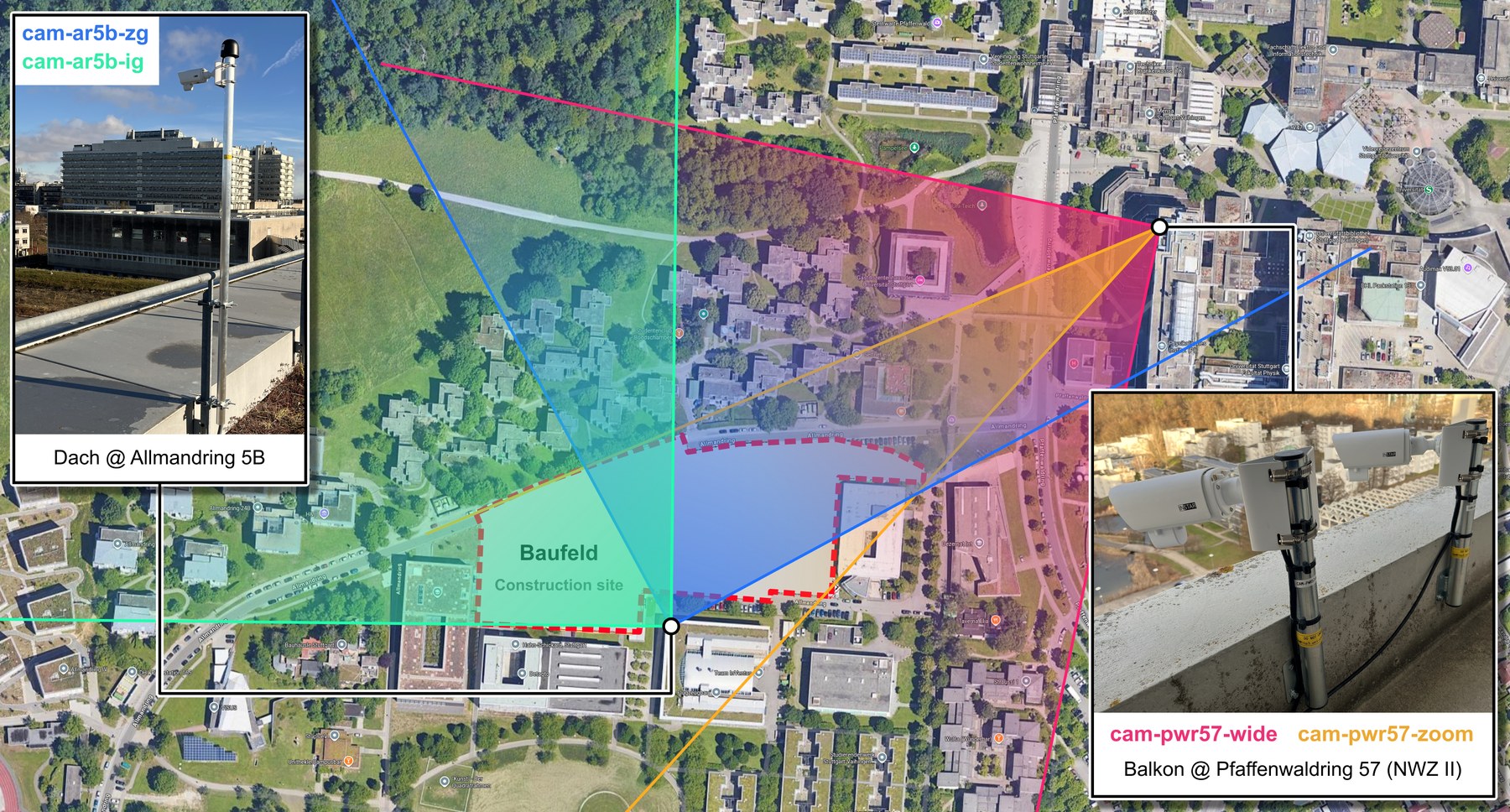
- Problem: slight shifts, up to 10 px a day
- Due to wind, temperature, material
The agent's solution
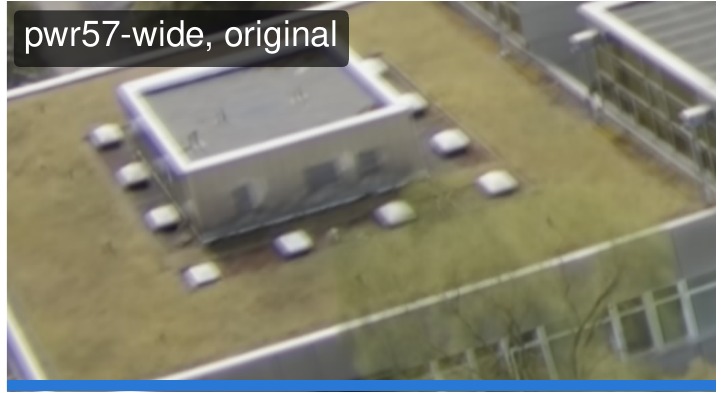 mean of 321 noon frames: blurred
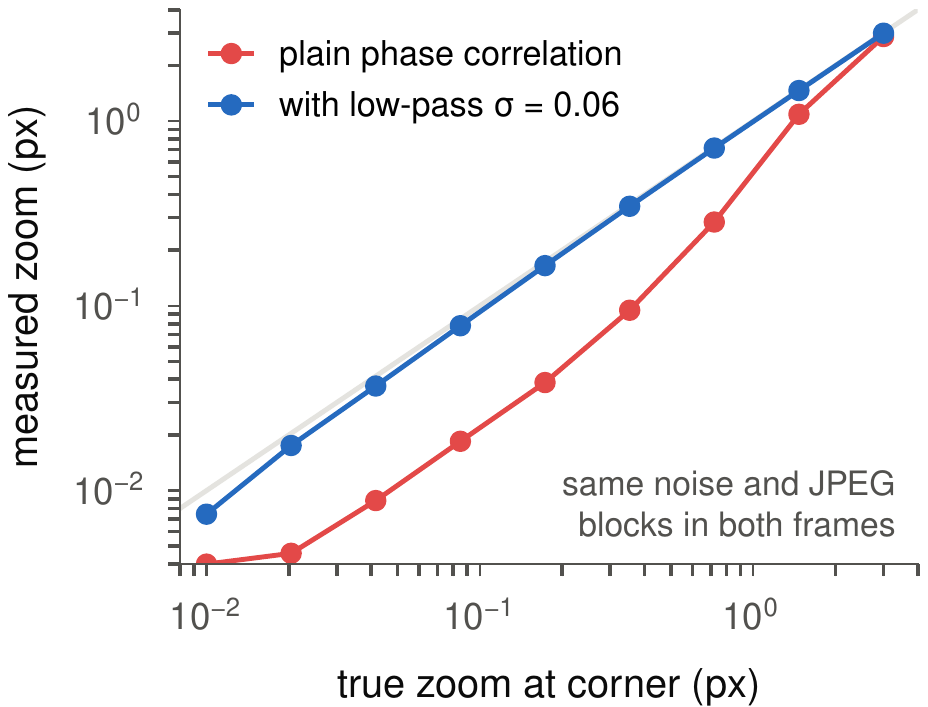 sub-pixel: down to 0.01 px
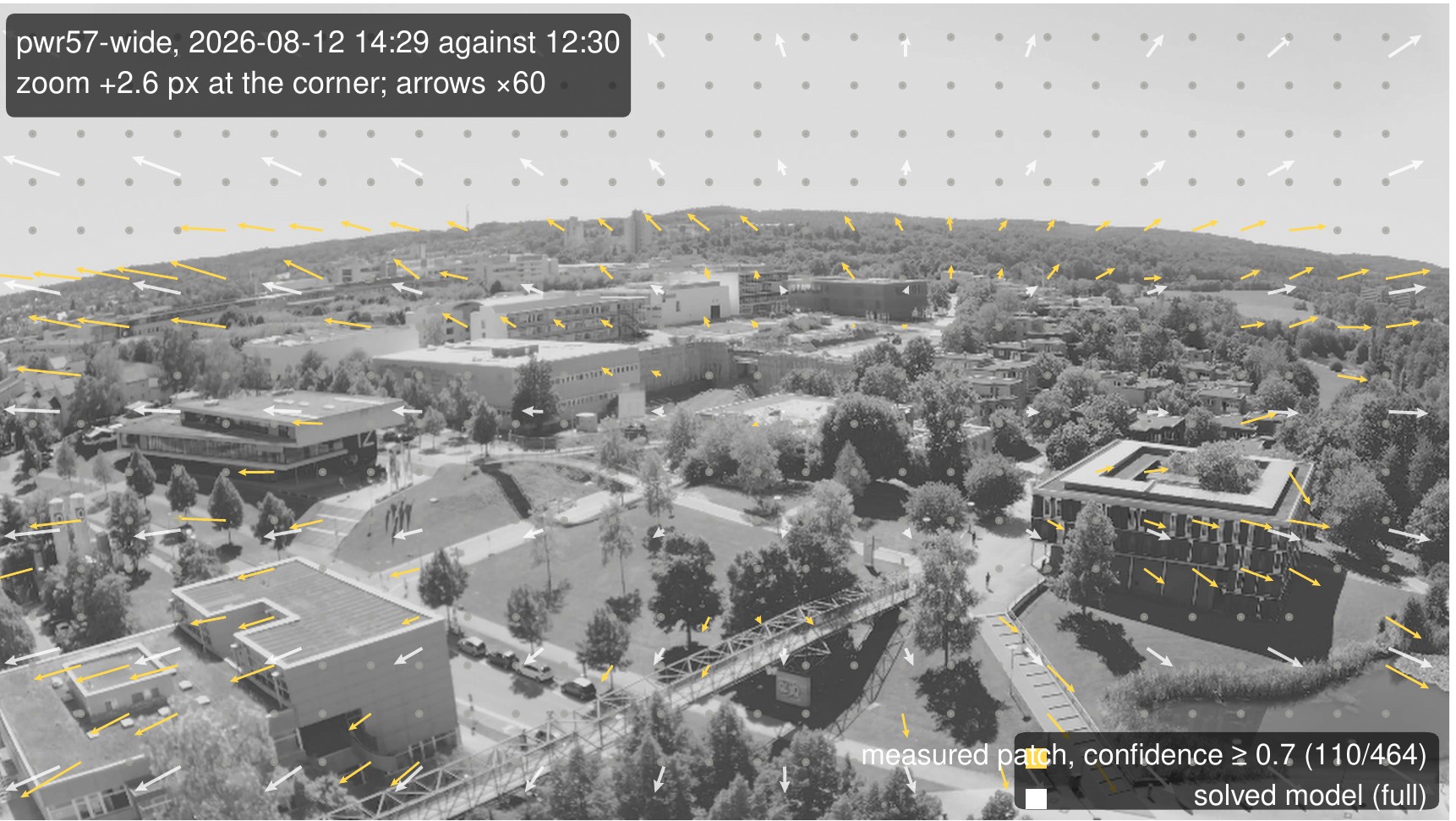 14:29 vs 12:30, arrows ×60
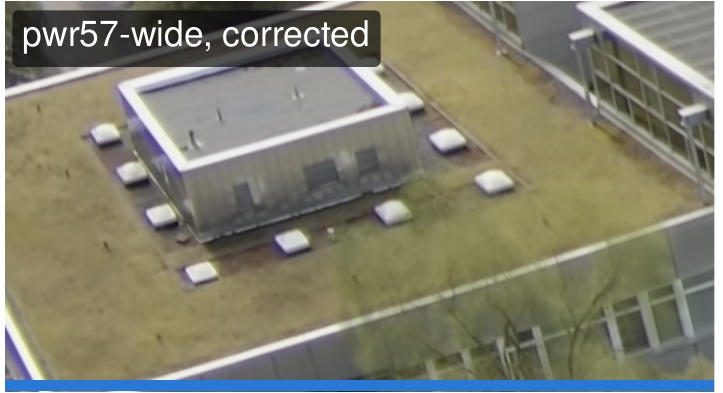 same mean, corrected: sharp
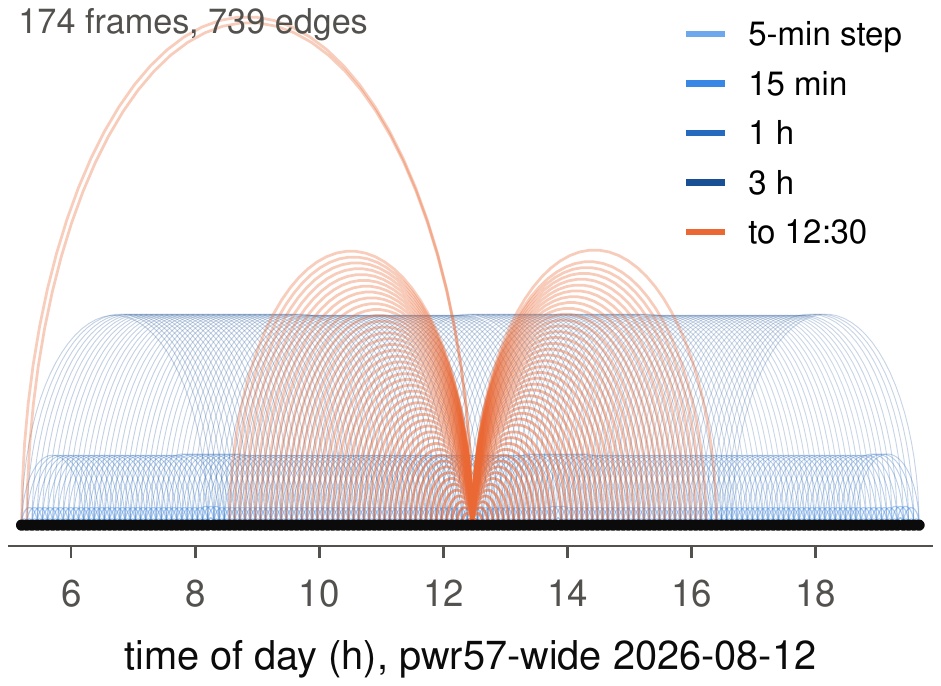 one day: 174 frames, 739 pairs
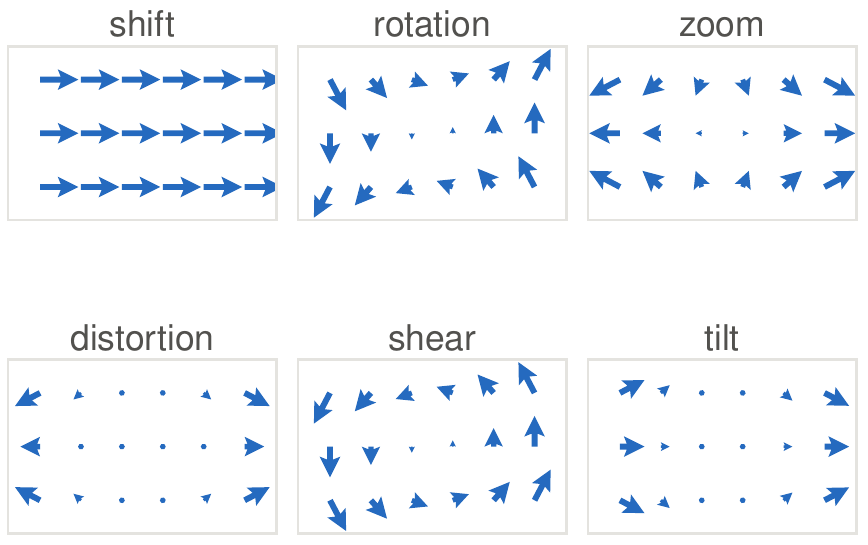 shift, rotation, zoom, distortion, shear, tilt
Remaining motion over the year: 2–5 px → 0.3–0.5 px
The paper
Outlook: ideas for the lab
Reverse engineering
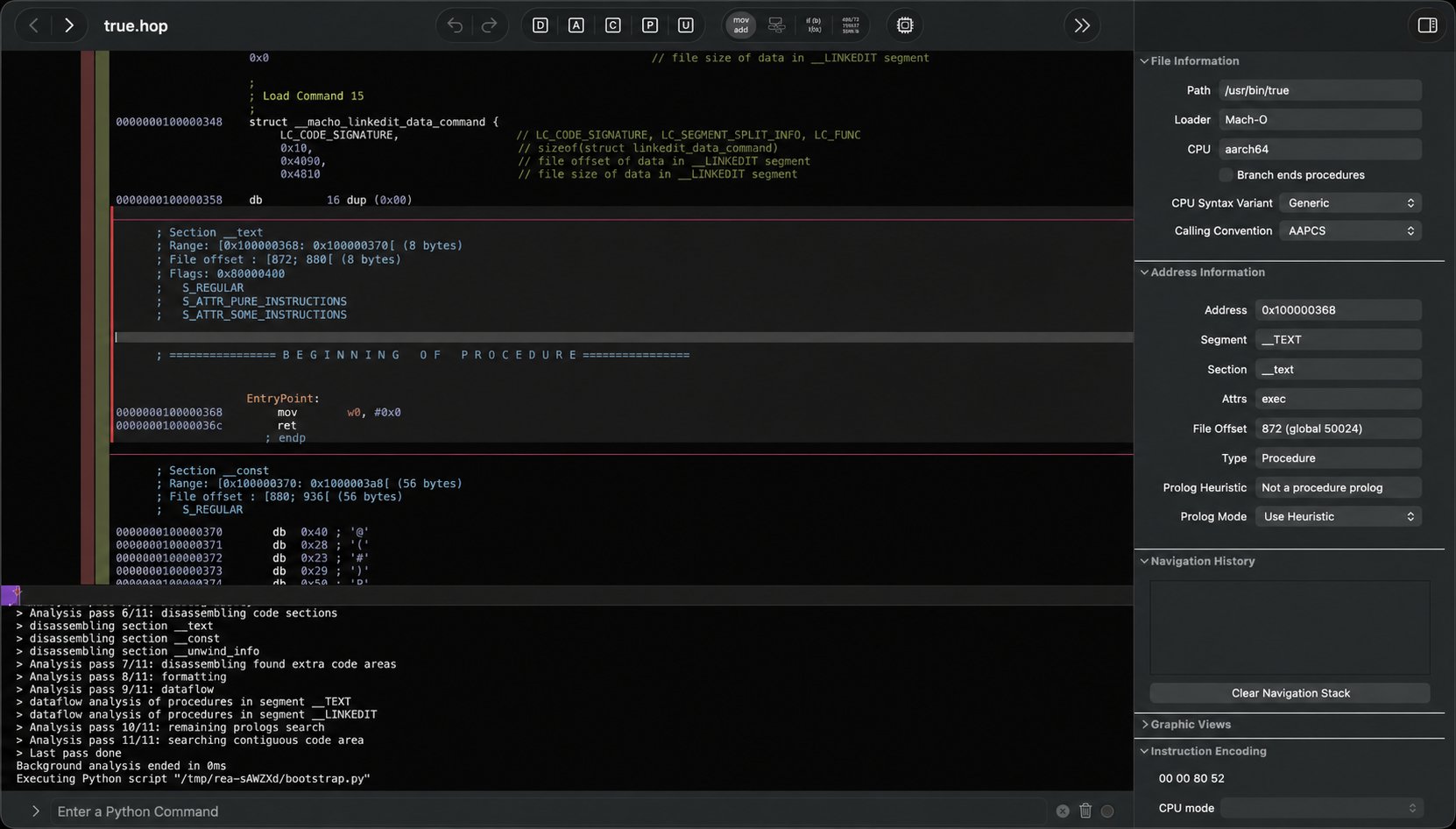
REA: agents dissect binaries
Drivers for old devices
3D CAD via MCP
Agent drives CAD and Blender (SolidCraft)
Sketch → 3D mock-up
Standard protocols
MHS: devices with read, write and safety limits
One interface for all devices?
Experiment control
Agent writes the control code, runs it, watches, rewrites
Key: real-world feedback
AI is trained to control the machine
Agent writes the control code, like every experimentalist
Agent writes, runs, measures, improves: towards a goal
Calibration, feature detection, … autonomously through nights and weekends
Thank you
nicolai.lang@itp3.uni-stuttgart.de
Find these slides at slides.nicolailang.de/ai-2026
Living documentation of our AI projects: web.itp3.uni-stuttgart.de/ai